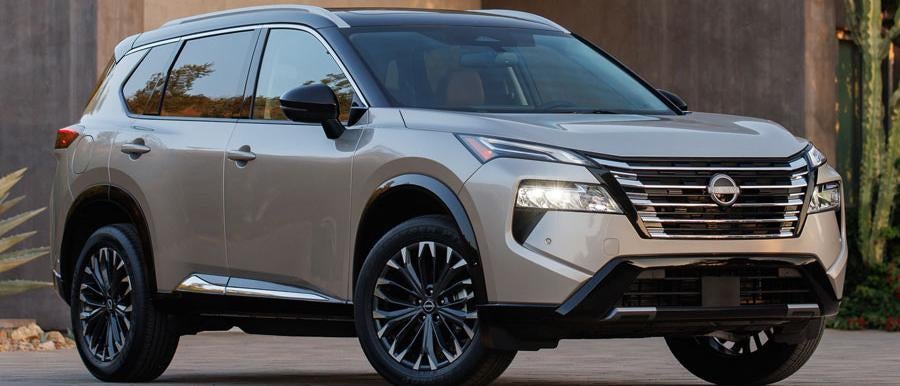
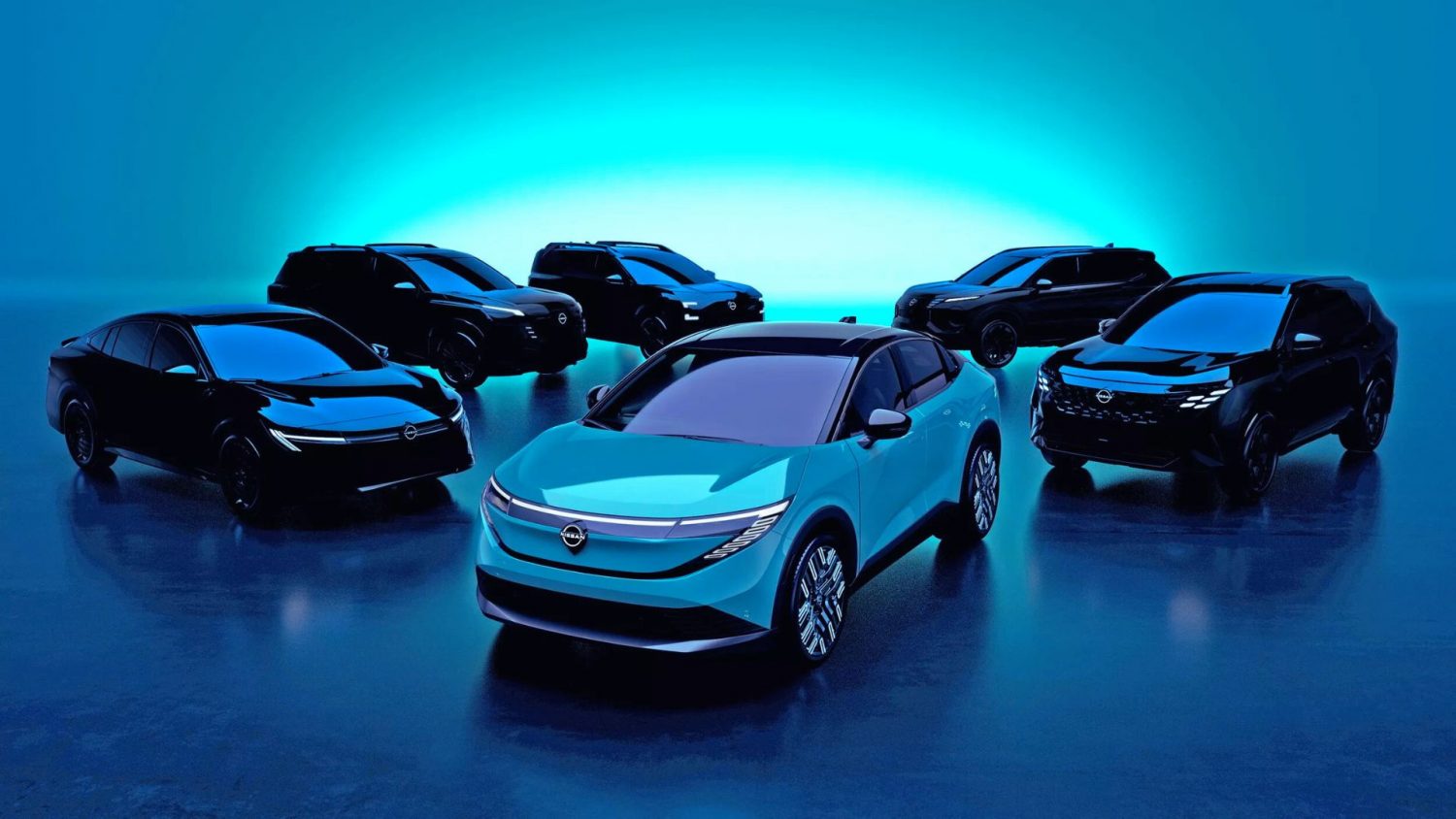
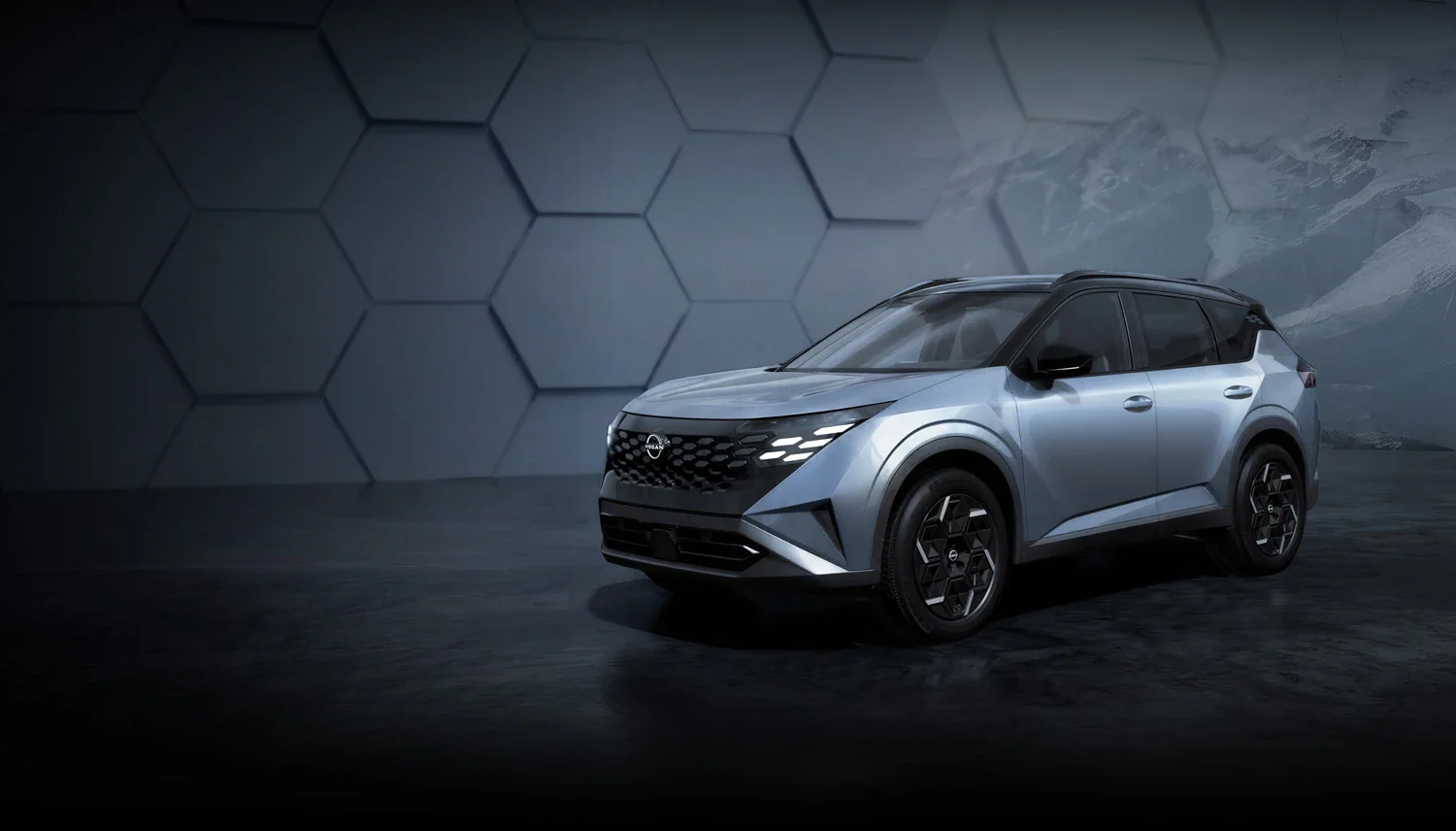
There's no single right answer here, and we'd rather tell you that up front. What fits you depends on how many miles you rack up on I-95, whether you have a place to plug in overnight, and how much you want to think about charging at all. We get this question a lot at the dealership, usually from someone who read something online about gas prices or tax credits and isn't sure what still applies. A lot has changed this year. So let's walk through it the way we'd talk it through on the lot, trim by trim, fee by fee. Key takeaways Your commute matters more than any badge: highway miles favor gas or hybrid, short local trips are where an EV works best. The federal EV tax credit is gone for anything bought after September 30, 2025, so don't plan around that $7,500. North Carolina charges EVs $214.50 a year and plug-in hybrids $107.25 a year in extra registration fees, but a regular hybrid like the upcoming Rogue Hybrid pays neither because it never plugs in. Public fast charging along I-95 is expanding under a state program, but it isn't finished, so a home charger still matters if you're leaning toward an EV. Nissan covers all four options right now: gas trucks and SUVs, the incoming Rogue Hybrid, the Rogue Plug-in Hybrid, and the all-electric LEAF. Gas, hybrid, plug-in hybrid, EV: what's actually different A gas vehicle is what most of Halifax County still drives, and for a lot of people it's still the right call. Nothing to plug in, familiar fuel stops, no learning curve. A regular hybrid, like the Rogue Hybrid coming later this year, still runs on gasoline only. It never plugs in. It just uses a battery and electric motors to help the engine do less work, which is where the fuel economy gain comes from. A plug-in hybrid, like the Rogue Plug-in Hybrid, has a bigger battery you can charge at home, plus a gas engine as backup. You get some electric driving and a gas tank for everything else. A full EV, like the LEAF, runs on battery power only. No gas engine at all. You charge it at home, at a public charger, or both. How you actually drive should decide this If most of your week is Roanoke Rapids to Weldon, Halifax, or Gaston, with the occasional run down to Rocky Mount, about 45 minutes south on I-95, or up to Emporia, roughly 25 minutes north, you're not putting on the kind of highway miles that punish a hybrid or a gas engine. A hybrid or even a well-suited EV can handle that pattern fine. If your day looks more like a long I-95 commute, or you're out on rural Halifax County roads that don't exactly have a charger on every corner, gas or a regular hybrid makes more sense. Highway speed is where an EV's range takes the biggest hit, and it's also where public charging is still catching up in this part of the state. Charging at home vs. charging on the road Home charging is the easy part. Plug in overnight and you wake up to a full battery, no different from charging your phone. For local driving, that covers almost everything. Public fast charging along I-95 is a different story, and it's still a work in progress. North Carolina's Department of Transportation runs a federally funded program building DC fast chargers along the state's major highway corridors, I-95 included, and a second round of funding opened for new stations in early 2026. The state has also been shifting some of that focus toward rural coverage rather than just the busiest interstate stretches. That's good news longer term, but it means the network through Halifax County is still growing, not finished. If a road trip is part of your plan, check a live locator like PlugShare before you go rather than assuming a station will be there. What happened to the federal EV tax credit If you've been holding off on an EV waiting for the $7,500 federal credit, here's the update: it's gone. The credit ended for any vehicle acquired after September 30, 2025, along with the smaller used clean vehicle credit. That change came out of the One Big Beautiful Bill Act, signed in July 2025, which repealed both credits ahead of schedule. There was a narrow window for buyers who signed a binding purchase contract before that September 30 deadline, but that's closed now. Anyone shopping today should plan on the sticker price, not a credit that isn't coming. North Carolina's extra fees for EVs and plug-in hybrids This one trips people up, so here's the plain version. Vehicle type Extra annual NC fee Battery-electric (like the LEAF) $214.50/year Plug-in hybrid (like the Rogue Plug-in Hybrid) $107.25/year Regular hybrid (like the 2027 Rogue Hybrid) $0, standard registration only The state's fee applies to vehicles that plug in, full stop. A regular hybrid, including the Rogue Hybrid arriving late this fall, never plugs into anything. It fills up at a regular gas station and registers just like any other gasoline vehicle, so it skips this fee entirely. That surprises a lot of shoppers who assume "hybrid" automatically means extra fees. It doesn't, unless there's a plug involved. Gas prices vs. electricity costs, in plain terms Gas prices in North Carolina have swung quite a bit this fall, bouncing from the high $3s a gallon in late summer up into the $4 range more recently, according to AAA. That kind of volatility makes it hard to plan around a fixed number, so we'd rather point you to a live price tracker than quote you something that'll be wrong by the time you read this. Electricity is steadier. North Carolina's average residential rate is about 14.74 cents per kilowatt-hour, per the U.S. Energy Information Administration, and it doesn't swing week to week the way gas does. Here's an example only, using made-up but reasonable assumptions, not a promise of your actual savings: say you drive 12,000 miles a year. A gas vehicle averaging 25 mpg at $4 a gallon would burn through roughly $1,920 in fuel. An EV averaging 3.5 miles per kilowatt-hour at North Carolina's 14.74 cent rate would use about $505 in electricity to cover the same distance. Your real numbers will depend on your specific vehicle, how you drive, and where you charge, so treat this as a rough shape of the comparison, not a quote. Which Nissan fits how you actually drive If you... Look at Mostly run local errands and can charge at home 2026 LEAF (EV), $29,990 to $38,990 MSRP, 259 to 303 miles EPA-estimated range Split time between town and an I-95 commute, want better mpg without plugging in 2027 Rogue Hybrid, arriving late fall 2026, SR estimated at 38 mpg combined Like the idea of running on electricity most days but want a gas backup for longer trips Rogue Plug-in Hybrid, $45,990 MSRP Drive long highway miles to Rocky Mount, Emporia, or beyond on a regular basis Rogue, Sentra, or Pathfinder (gas) Need to tow or haul for work, hunting, or fishing trips Frontier (gas) Want the lowest price of entry, plain and simple Kicks or Sentra (gas) Frequently asked questions Is an EV realistic if I live out in rural Halifax County? It depends mostly on whether you can charge at home and how far your daily driving actually stretches. If your trips are mostly local with occasional highway runs, a LEAF can work well with home charging covering most nights. If you're regularly driving long distances on rural roads without a charger nearby, a gas vehicle or the Rogue Hybrid will fit better. Do hybrids cost more to register in North Carolina than gas vehicles? A regular hybrid like the Rogue Hybrid doesn't, because it never plugs in and registers like any other gas vehicle. Plug-in hybrids pay an extra $107.25 a year, and battery-electric vehicles pay an extra $214.50 a year, on top of standard registration. Will buying a Rogue Hybrid qualify me for a tax credit? No. The federal EV tax credit ended for vehicles acquired after September 30, 2025, and that applies to plug-in and electric vehicles anyway, not to a regular hybrid. Don't plan your budget around a credit that no longer exists. How much does it cost to charge an EV at home? It depends on your electricity rate and how much charging you need, but North Carolina's average residential rate is about 14.74 cents per kilowatt-hour per the EIA. Ask us about home charging setup when you're shopping the LEAF. Is the Rogue Plug-in Hybrid the same as the Rogue Hybrid? No, they're two different vehicles. The Rogue Plug-in Hybrid has a larger battery you charge at home with a gas engine as backup, starting at $45,990 MSRP. The Rogue Hybrid, arriving late this fall, never plugs in at all and runs purely on gasoline with hybrid assistance. Should I wait for more charging stations before buying an EV? That's a fair question, and it depends on your driving pattern. North Carolina's fast-charging network along I-95 is actively expanding under a state and federal program, but it's not complete yet. If your driving is mostly local and you can charge at home, you don't need to wait. If you rely heavily on long highway trips, it's worth a real conversation with us about whether an EV fits your routine today. Come see it at Nissan of Roanoke Rapids The honest answer is usually clearer in person than on paper. Bring us your typical week, your commute, your I-95 stretch, and we'll walk you through the Kicks, Sentra, Rogue, Frontier, Pathfinder, the incoming Rogue Hybrid, the Rogue Plug-in Hybrid, and the LEAF so you can compare them side by side. Nissan of Roanoke Rapids, 407 Premier Blvd, Roanoke Rapids, NC 27870, right off I-95. Call us at 252-677-5679. We're open Monday through Friday 9 AM to 7 PM, Saturday 9 AM to 6 PM, closed Sunday. Ask about current inventory and offers when you call.